
Toilet Repair in the USA
Luna Plumbing responds to Toilet Repair calls by focusing on the tank and bowl components that commonly fail. Our technicians arrive with replacement flappers, fill valves, and wax rings sized for standard residential fixtures. They isolate the water supply first and measure the tank water level to confirm whether the issue stems from the flush valve or the fill mechanism.
Homeowners notice persistent running or weak flushes when the rubber flapper no longer seals against mineral buildup or when the chain length prevents full closure. We carry both standard 2-inch and 3-inch flush valves along with adjustable fill valves that match most tank heights found in homes nationwide. After toilet repair assistance from Luna Plumbing consider the homepage for USA wide drain cleaning options.
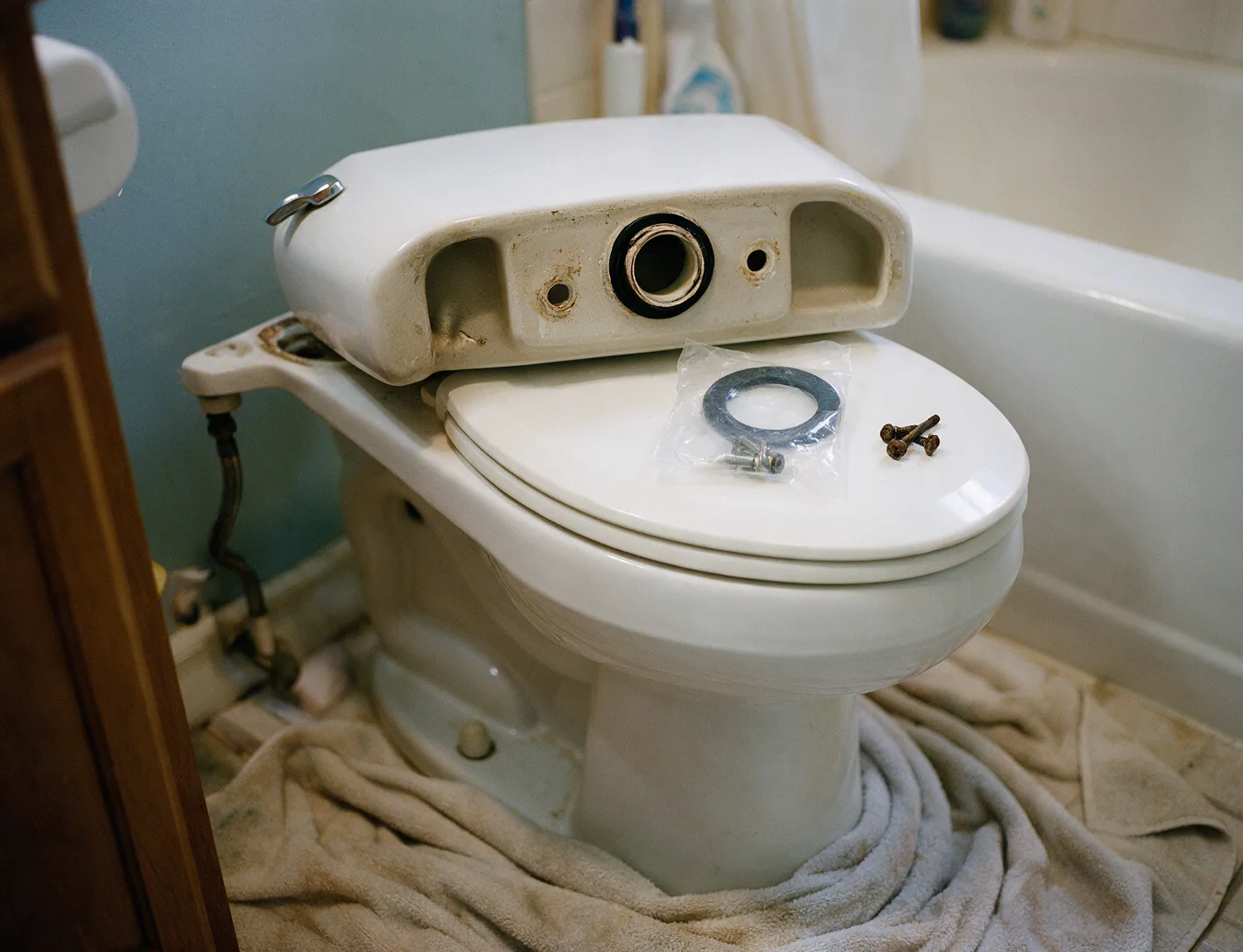
Warning Signs That Indicate Toilet Repair Is Needed
- Water continues running after the tank should be full
- Flushing produces only a weak or incomplete cycle
- Puddle forms at the base after each flush
- Handle feels loose or requires multiple presses
- Bowl water level sits too high or too low
Common Causes Behind Toilet Problems
Mineral scale accumulates on the flapper seat and prevents a watertight seal, allowing water to leak continuously into the bowl. Over time the rubber degrades from repeated exposure to treated water and loses flexibility. Our technicians remove the flapper and inspect the seat surface for pitting before deciding whether cleaning or full replacement will restore function.
The fill valve can stick open when debris lodges in the float mechanism or when the rubber gasket inside the valve body wears. This causes the tank to overfill and spill through the overflow tube. We measure the current water height against the overflow rim and adjust or replace the valve assembly to stop the overflow.
The wax ring that seals the toilet to the closet flange compresses over years and begins to leak when the toilet rocks slightly during use. Technicians check for movement at the base before lifting the fixture and replacing the ring with a new wax or rubber gasket rated for the existing flange condition.
Inspection Steps Our Technicians Follow
We shut off the angle stop under the tank and flush to empty the bowl before removing the tank lid. Each internal part is tested by hand: the flapper for seal integrity, the chain for proper slack, and the fill valve for consistent shutoff at the correct level. The supply line is examined for corrosion at the connections.
After external checks, the bowl is rocked gently to detect movement that signals a failed wax ring. If needed, the toilet is lifted for a direct view of the flange and the condition of the existing seal. Measurements of the rough-in distance from the wall are recorded only when replacement becomes the chosen option.
Repair and Replacement Choices Available
Minor repairs include swapping the flapper, shortening or lengthening the lift chain, and replacing the fill valve with a matching unit that uses the same shank thread. These parts restore normal operation without disturbing the bowl seal. When the porcelain around the flush valve shows cracks, the entire tank or toilet is replaced.
Full toilet replacement uses a new fixture with an insulated tank to reduce condensation and a 3-inch flush valve for improved waste removal. The old wax ring is scraped away, the flange is checked for level, and a new reinforced wax ring with a rubber sleeve is installed before the new toilet is set and bolted down.
We carry both round-front and elongated bowls in standard and comfort heights along with matching tank lids. Supply lines are replaced with braided stainless steel versions that include integral shutoff handles when the existing line shows any sign of wear.
What Homeowners Can Do Before Technicians Arrive
Locate the shutoff valve behind the toilet and turn it clockwise until it stops to prevent further leakage. Avoid repeated flushing that can cause overflow onto the floor. Place towels around the base if water is already escaping and note whether the running sound stops when the handle is held down.
Do not attempt to tighten the bolts at the base without lifting the toilet, because uneven pressure can crack the porcelain. If the overflow is minor, a plunger may be used once to clear any visible blockage in the trapway, but stop if resistance increases or water rises in the bowl.
Toilet Repair questions
Why does the toilet keep running after flushing?
The flapper or fill valve has likely lost its ability to seal or shut off at the correct level. Mineral deposits or worn rubber prevent proper closure, allowing water to leak into the bowl until the tank refills again and again.
Can the wax ring be replaced without replacing the whole toilet?
Yes, when the flange remains level and the porcelain shows no cracks. The toilet is lifted, the old ring is removed, and a fresh wax or rubber gasket is installed before the fixture is reset and secured with new bolts.
What parts are most often replaced during Toilet Repair?
Flappers, fill valves, and supply lines are the most frequent replacements. These components wear from daily use and water chemistry, and swapping them restores normal tank function without disturbing the bowl seal.
Is it safe to use the toilet if water is pooling at the base?
Continued use can damage flooring and allow sewer gases to enter the room. Shut off the water at the angle stop and contact Luna Plumbing so the wax ring or flange condition can be evaluated before further leakage occurs.
Schedule Toilet Repair
Contact Luna Plumbing for Toilet Repair across the USA when the tank runs or leaks appear at the base.