
About Luna Plumbing
When a drain backs up after hours or a pipe leaks midday, homeowners contact Luna Plumbing. Our process starts with clear questions about symptoms and location inside the home. Technicians arrive equipped for common issues like clogs or joint failures. They begin by isolating the affected line, then trace the problem using accessible cleanouts or fixtures. After inspection, results and next steps are laid out plainly so decisions can be made without pressure.
Questions about a job? Start on the Luna Plumbing homepage or call (888) 906-4317.
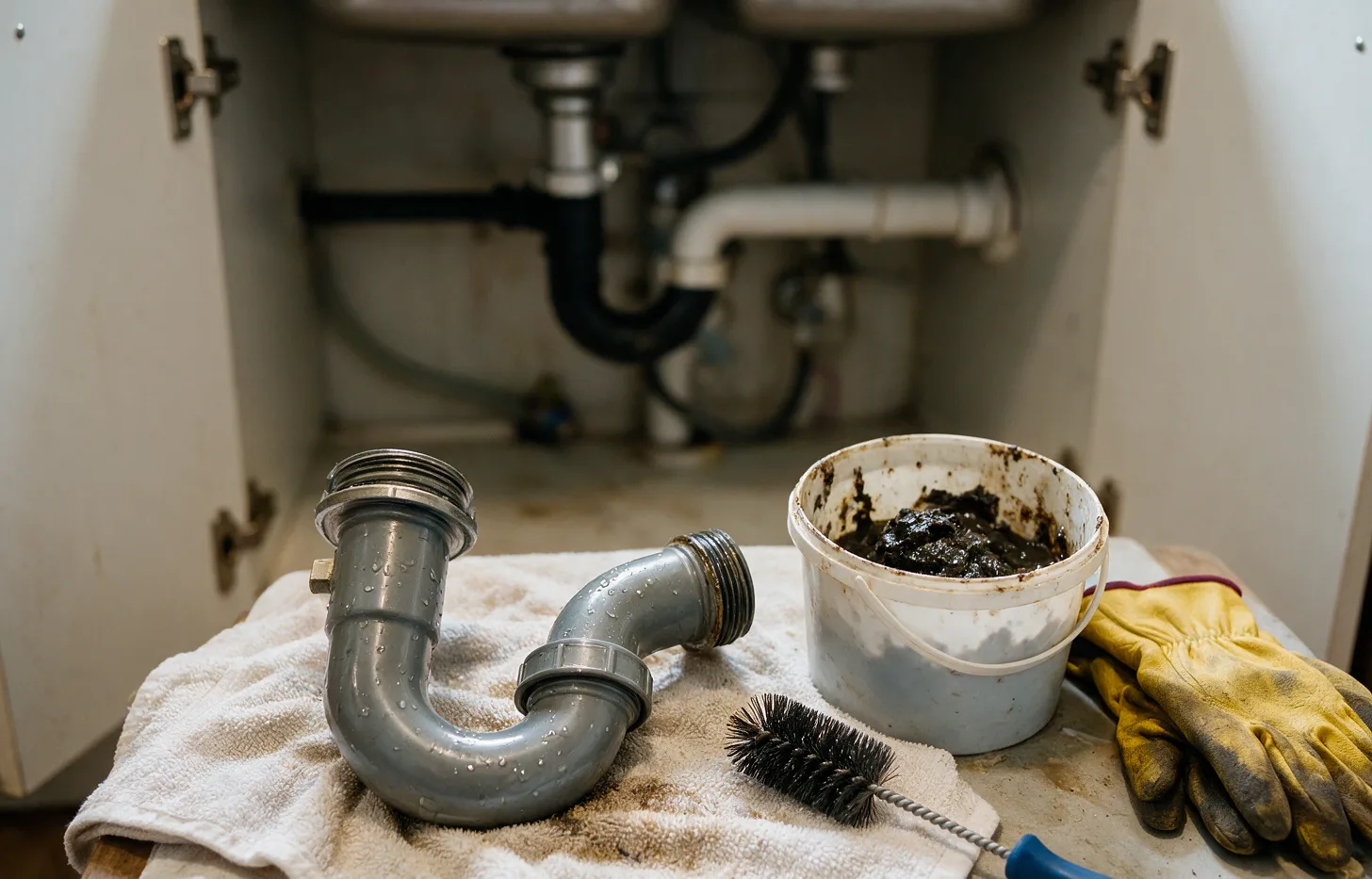
Clear Explanations
Findings are shown on site with camera images or exposed sections so homeowners understand the exact cause and available fixes.
Protected Surfaces
Shoe covers and drop cloths keep floors clean while technicians move through the home during inspection and repair.
Tested Results
Every repaired line is flushed and checked at operating pressure before the technician packs up tools and leaves.
Written Summary
A short record of the work performed and parts used stays with the homeowner for future reference.
Taking the Initial Call
A service request begins with questions about the exact symptoms, which fixtures are involved, and whether water is still flowing. This helps determine whether the issue is likely a trap, branch line, or main. Notes are made about any recent work or chemical use that might affect safe clearing methods. The goal is to send the right tools on the first visit rather than requiring a second trip.
Homeowners are asked to keep the area around the affected fixture clear and to avoid running additional water until arrival. If the problem occurs at night, basic steps like placing towels under a slow leak or using a bucket under a dripping valve are suggested. These measures reduce immediate water spread while the technician is en route.
Arriving and Inspecting
Technicians enter with shoe covers and floor protection. They start at the lowest or most accessible point, such as a cleanout or basement sink, before moving upstream. A camera may be used on larger lines to locate the obstruction or damage without unnecessary excavation. Flow tests at multiple fixtures reveal whether the restriction is isolated or systemic.
Safety steps include shutting off water only at the affected branch when possible and ventilating the work area if drain cleaners were previously poured. Any visible corrosion, improper slopes, or previous repair patches are noted on a simple diagram that stays with the homeowner. This record helps track recurring spots for future reference.
Reviewing Findings
Once the inspection finishes, the technician walks through the cause using the camera footage or exposed pipe sections. Blockages from grease, roots, or foreign objects are shown directly rather than described in general terms. Homeowners receive the range of repair options, from clearing to section replacement, with the expected outcome for each choice explained in plain language.
Written notes list the parts or procedures recommended and why alternatives were set aside. Questions about material compatibility or long-term performance receive direct answers based on the specific installation observed. No work proceeds until the homeowner selects the scope and understands the sequence of steps involved.
Finishing the Job
After repairs, the line is flushed and retested at full flow to confirm the fix holds. All removed access panels, cleanout caps, and fixture trim are replaced. Work surfaces receive a final wipe, and any debris from cutting or threading is collected and removed from the property.
A brief summary of what was done and what was found is left in writing. Homeowners are shown the restored operation of the fixture and told which normal usage patterns to watch over the next few days. Tools and materials are loaded out, leaving the space in the same condition as before arrival.