
Plumbing Repair
Technicians locate and fix leaks or broken fittings that reduce water pressure and contribute to recurring drain problems throughout the system.
Plumbing · the USA
Luna Plumbing sends technicians nationwide to clear clogged drains, restore proper flow, and prevent repeat backups with equipment suited to each property's plumbing layout.
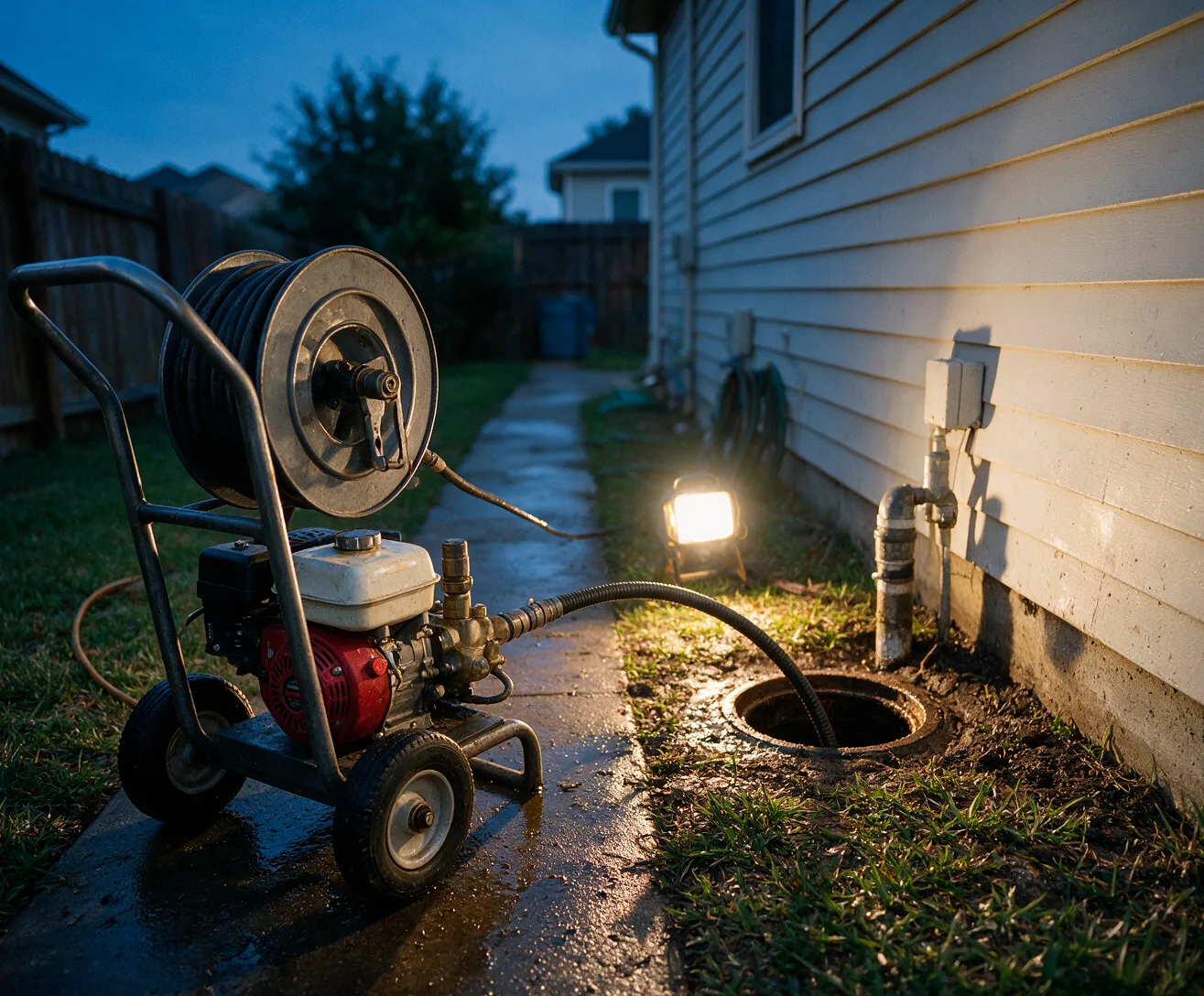
Technicians run a camera through accessible lines first to map the blockage location and pipe condition before selecting tools.
High pressure water clears grease, scale, and debris from pipe walls once the camera confirms the obstruction type and distance.
After clearing, a second camera pass verifies full restoration and identifies any spots that may need future attention.
Beyond drain clearing our teams address related issues that often appear alongside slow drains. Each service targets a specific component of the plumbing system to keep water moving correctly through the property.
Technicians locate and fix leaks or broken fittings that reduce water pressure and contribute to recurring drain problems throughout the system.
Our crews inspect heating elements and sediment buildup that can send debris into drain lines and slow fixture performance over time.
Small leaks behind walls or under slabs are isolated and repaired so excess moisture does not migrate into nearby drain pipes and cause corrosion.
When root intrusion or pipe separation blocks flow technicians expose and replace damaged sections to restore main line capacity.
Technicians cut out corroded sections and install new pipe lengths matched to existing material so water continues to exit the structure without restriction.
Flapper, fill valve, and trap issues that allow debris to enter the drain line are corrected so the bowl empties fully on each flush.
When multiple lines show repeated scale or failure technicians replace runs with modern material sized for current household demand.
New sinks, tubs, and showers are set with properly sloped drains so wastewater leaves the fixture without standing water or odor.
Slow sinks or tubs that empty gradually point to partial blockages forming in branch lines. Gurgling sounds from one fixture when another is used often indicate air trapped by a restriction farther down the main. Multiple fixtures backing up at once usually means the problem sits in the larger sewer line rather than an individual trap.
Turn off running water at affected fixtures to limit additional volume reaching the clog. Pour hot water down a clear sink only if the line is not already full, which can sometimes move light grease. Avoid chemical products that may damage older pipes or create hazardous fumes when technicians arrive later.
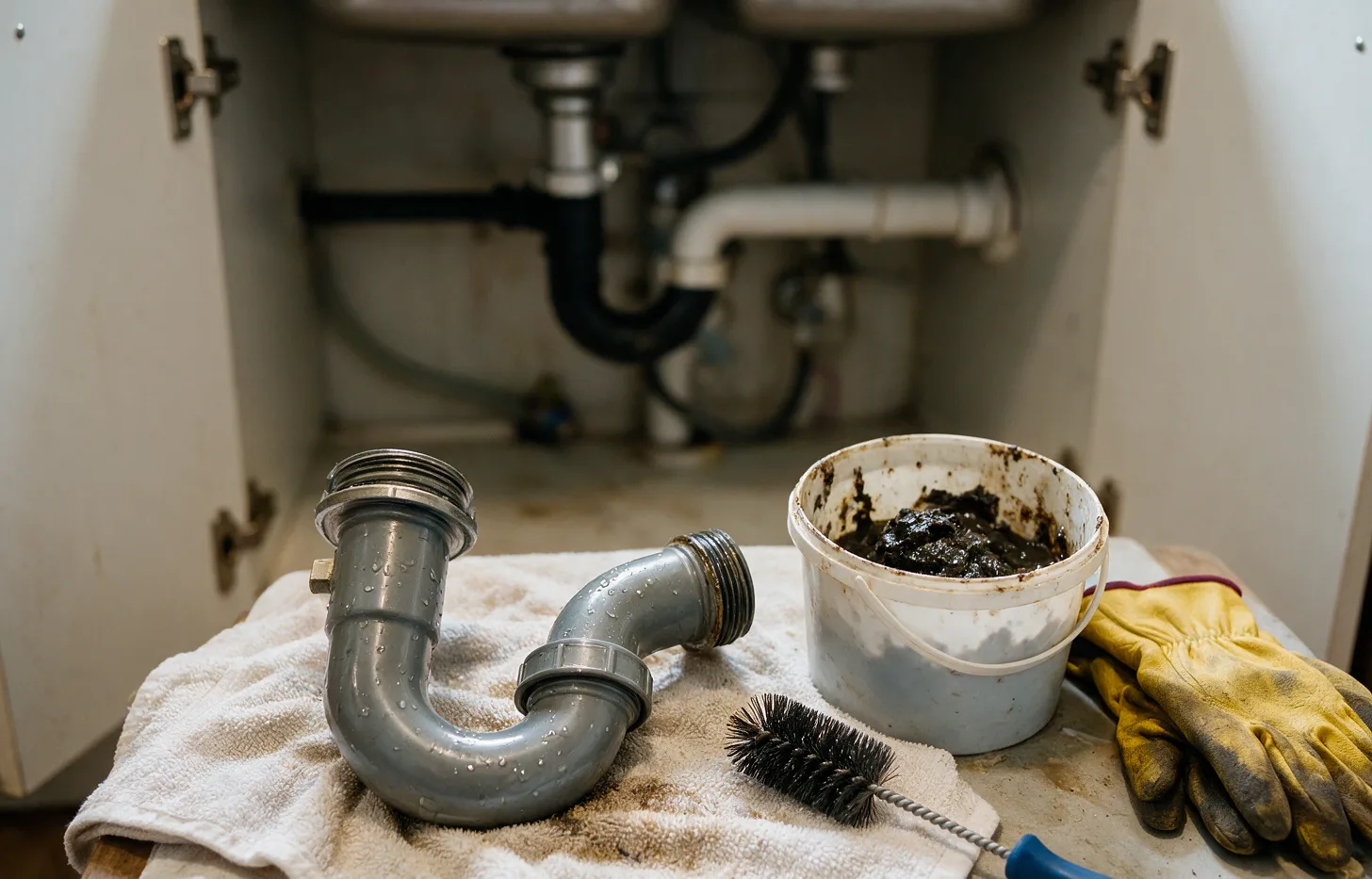
The sequence keeps disruption low while confirming each step before moving forward. Technicians adapt tools to the pipe size and material found on site.
Technicians ask about recent changes in water use and listen for gurgling at multiple fixtures to narrow the probable location of the restriction.
A flexible camera enters through the cleanout or fixture trap to record the distance and nature of the blockage for tool selection.
Selected cable or jetting equipment removes the obstruction in stages while waste is contained and disposed of properly outside the building.
A final camera pass confirms restored flow and the technician notes any pipe conditions that may benefit from future monitoring or maintenance.
Technicians begin with a camera inspection through the cleanout or accessible fixture to locate the obstruction and assess pipe material. Once the blockage type is identified they select the appropriate cable or jetting head and clear the line in sections. Final verification confirms flow returns to normal speed.
After clearing, the camera shows whether the pipe wall is intact or heavily scaled. Minor root entry or grease buildup can be managed with maintenance cleaning. Extensive corrosion or collapse visible on the recording leads to discussion of sectional repair or full replacement to prevent future backups.
Cost depends on how far the obstruction sits from the access point and what material fills the pipe. Grease and paper clear faster than roots or mineral scale that require repeated passes. Pipe diameter and the need for additional cleanouts also change the time required on site.
Properties with finished basements or slab construction often need extra equipment to reach lines without cutting concrete. Multi story homes may require roof vent access or additional time to clear upper floor branches before the main. Technicians provide an estimate after the camera inspection so the scope is known before work begins.
Cast iron and galvanized lines common in older homes collect scale faster and require more frequent camera checks. In rentals technicians note tenant usage patterns and recommend access point additions so future service does not require wall or slab removal. Both property types benefit from scheduled inspections before seasonal heavy use begins.
When water backs up in multiple fixtures at the same time the restriction is usually past the point where branch lines connect to the main. A single fixture slow to drain can still be a branch issue, but simultaneous problems point to the larger sewer.
A plunger can move light blockages in a single fixture if the line is not already full. Once water appears in another fixture the plunger is no longer effective and professional equipment is needed to reach the main line.
Recurring clogs usually indicate a partial pipe collapse, root intrusion, or ongoing grease buildup. A camera recording taken during service shows the pipe condition so future prevention steps can be planned.
Yes. Technicians coordinate with property managers to schedule access and document findings so owners receive clear information about any repairs that may be required beyond the initial clearing.
Work stays focused on the drain lines. Technicians protect flooring and contain waste during extraction so only the affected fixtures and access points are involved.
Homes with older piping or known root issues benefit from an annual camera inspection. Newer homes with routine use can go longer between checks unless slow drainage begins to appear.
Contact Luna Plumbing to arrange drain clearing across the USA and restore proper flow through your plumbing system.